


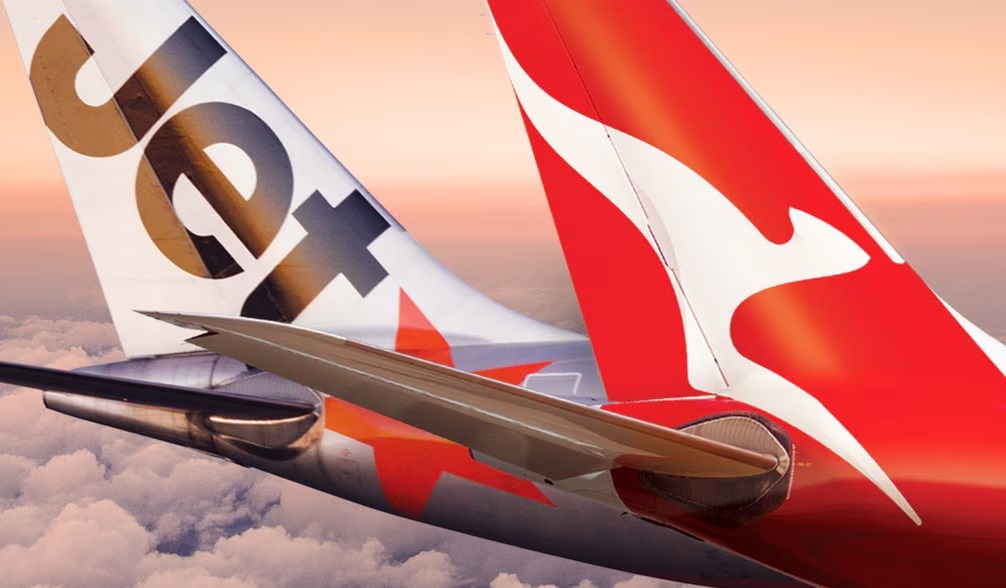
THE week began with sour news for the flying public, with Qantas announcing it will hike domestic fees starting next month. The carrier will slog Aussies with an extra $20 to change or cancel their flight from 09 October, with the impost rising from $99 to $119.
While Qantas emphasised that it’s the first time it has adjusted the penalties since 2017, it’s perhaps not the best timing for the carrier to hike its fees, given it is still attempting to win back the favour of the Australian public.
‘Attempting’ is the key word, with a new Roy Morgan survey showing the carrier is less trusted now than it was in March, rising (or rather, slipping) from third place to second on the list of most distrusted brands.
“I feel Qantas has once again got their timing wrong,” Ram Chhabra, CVFR Travel Group chief, told travelBulletin.
“At a time when Qantas is trying to earn back the trust of the traveller and trade, it seems bizarre that you would increase your fees. There is never a good time to increase fees, but now was one of the worst times to do it.”
Chhabra also pointed out that the move makes Qantas look rather opportunistic, given Bonza and Rex’s recent demise, leaving just two players in the domestic space.
The undesirable ranking meant the only brand Qantas beat was Optus – not a difficult feat, given the telecommunications giant drew the ire of more than 10 million Australians when it suffered a major outage in Nov last year.
The failure of Qantas to get back into consumers’ good graces is despite chief Vanessa Hudson’s vow earlier this year to do so, and the airline’s subsequent efforts to rebuild its reputation, from overhauling its leadership team to upgrading its digital platforms and enhancing its rewards program.
In fact, the airline poured an additional $230 million into improving its customer experience in the 2023 financial year. An investment that has, so far, not quite managed to salvage its damaged reputation, which saw $384 million expunged from its brand value last year.
“This fee increase at this time further illustrates the real need for domestic competition. The consumer always loses with reduction in competition and this fee increase reflects that,” Chhabra added.
The Flying Kangaroo’s decision to impart the extra cost to air passengers arrives as the latest monthly figures from BITRE reveal spikes in domestic airfare prices across the country.
However, in more uplifting news, international flight prices are finally stabilising since the pandemic, according to new data from Flight Centre Travel Group.
The company’s latest Turner Index shows that, while long-haul fares haven’t quite settled back into 2019 levels, airfares between Sydney and London now cost about four days’ salary for the average Aussie worker – a day’s wage short of the route’s most affordable prices.
Now, back to Qantas. As much as the airline continues to face headwinds when it comes to its reputation, things aren’t looking much better for its budget offshoot either.
Only a month after Echo Law initiated a class action in the Federal Court of Australia against Jetstar for allegedly misleading customers around cancelled flights, the carrier is now facing similar accusations across the Tasman.
The NZ Commerce Commission will now pursue Jetstar in the Auckland District Court, arguing that the airline discouraged customers from seeking compensation for cancelled flights – which would make it in breach of New Zealand’s Fair Trading Act.
One Aussie carrier that has been considered in a positive light this week, despite now being defunct, is Bonza. Gone but clearly not forgotten, the low-cost airline’s legacy lives on, with Tourism NT Executive Director, Tony Quarmby, praising the collapsed carrier for opening up the Territory to new travel markets.
Bonza helped bring in new customers “who felt the NT was out of their price range” and “could now look at the NT as an affordable destination”, Quarmby told travelBulletin.
The Tourism NT chief said the region was also benefiting from a cruise boom, thanks to luxury cruise lines sending larger and newer ships to the Kimberley region. He observed that more travellers have been enjoying a pre- or post-cruise stay in the Top End, resulting in more cash spent with the Territory’s hospitality and tourism operators.
Quarmby’s observation comes as new figures are out this week from Ports Australia showing an uptick in cruise passenger numbers around Australia since the pre-COVID 2018-19 season, despite a fall in the total number of cruise ship visits.
Adding to the cruise sector’s positive news this week, Norwegian Cruise Line (NCL) unveiled its new ship, Norwegian Luna, set to debut in March 2026. Offering seven-day Caribbean voyages from Miami, the Prima Plus-class vessel will boast the line’s luxurious keycard-access-only complex, The Haven by Norwegian, as well as the longest and fastest slide at sea, Aqua Slidecoaster.
Aussie cruisers are sure to fall in love with Luna, NCL VP and MD Ben Angell believes, with the newbuild offering “more space to relax, diverse dining options, upscale health & wellness facilities, and world-class entertainment venues”.
Rounding out the major travel announcements this week, our sister publication Travel Daily broke the news that Webjet’s new B2C boss, Katrina Barry, is returning to the Australian Travel Industry Association (ATIA) Board to replace her colleague Shelley Beasley.
ATIA Chair Christian Hunter said he is thrilled to welcome Barry back, and believes her extensive experience and leadership will be a “tremendous asset” to the board, which she also served back in 2022.
Speaking of major executive moves, The Travel Corporation revealed Melissa DaSilva as the interim CEO of TTC Tour Brands, effective immediately. DaSilva replaces Gavin Tollman, who will leave the business once the sale of The Travel Corporation closes later this year.
More details on this to come in Travel Daily on Monday.
For now, have a good one.