


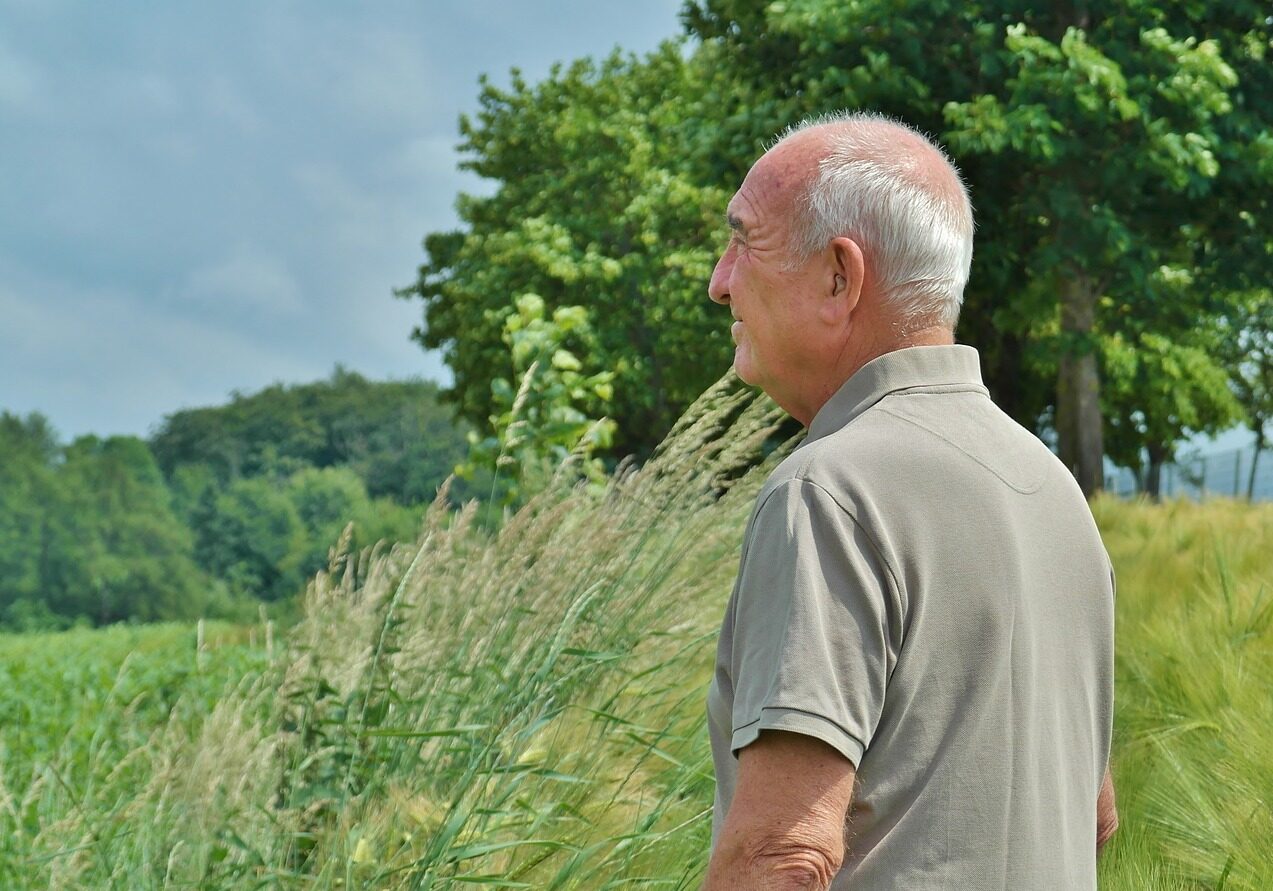
According to Statistica (2024), at the end of 2023, an estimated 10% of the world’s population was aged 65 or older.
By 2026, more than 22% of Australians for example will be 65 and over, and by 2040, an estimated 402 million people (28% of the total population) in China alone will be in their 60s or older.
So, if your ideal guest is on the younger side, you might perhaps want to try targeting the often overlooked, yet incredibly valuable, senior market segment.
Seizing this opportunity could enable you to boost your bookings, stand out from the competition, and reap the rewards that the ‘silver dollar’ and ‘silver tourism’ can offer.
As many of the world’s over-65-year-olds now have the leisure time, financial means, and desire to travel, developing and offering travel opportunities and products that cater specifically for this group has huge potential.
The concept of ‘silver tourism’ includes a variety of activities that cater to the leisure needs of seniors and embodies taking a holistic approach to tailoring leisure experiences for older individuals.
Through exploring the untapped potential of ‘silver tourism’ – a concept that originates from the ‘silver economy’ – Macau is well-placed to expand not only its attractiveness as a tourist destination, but also its economy.
While older travellers undoubtedly contribute significantly to society and enrich tourist destinations by bringing diverse perspectives and experiences, and thus enhance the overall tourism landscape, as Mitzner et al. (2004) note, the elderly demographic is nevertheless often perceived as requiring significant assistance.
Older would-be tourists may suffer from a range of vulnerabilities. Indeed, the Wolrd Health Organisation reports that approximately 16% of the global population, equivalent to 1.3 billion individuals, is believed to experience some type of disability.
With this in mind, the United Nations Tourism Organisation firmly believes that ensuring accessibility for everyone to tourist facilities, products, and services should be a fundamental aspect of any responsible and sustainable tourism policy.
Article 7 of the Global Code of Ethics for Tourism underscores that the universal entitlement to tourism should be seen as an extension of the right to rest and leisure, as outlined in Article 24 of the Universal Declaration of Human Rights and Article 7(d) of the International Covenant on Economic, Social and Cultural Rights.
This code explicitly mandates the promotion and facilitation of senior tourism and tourism for individuals with disabilities.
As a major destination for global tourists, particularly from Mainland China, Macau therefore needs to adapt its infrastructure and services to cater not only to its own aging residents but also to older tourists who form an increasing segment of travellers.
To harness the potential of the silver tourism market and to ensure that vulnerable tourists can enjoy the benefits of travel free from age-related prejudice, mistreatment, violence, stigma, and exclusion across various domains (as reported by the Australian Institute of Health Welfare.), stakeholders in the tourism sector must reassess their conventional strategies concerning older and vulnerable travellers.
Embracing innovative approaches that prioritise inclusivity, accessibility, and personalised experiences tailored to the unique requirements of older adults is essential.
By recognising and addressing the distinct needs and preferences of this demographic, the tourism industry can unlock new avenues for growth and ensure the well-being and satisfaction of senior travellers.
According to CEO World Magazine, silver tourism is the future.
Given the abundance of hospitality services and amenities accessible to prospective tourists nowadays, it is crucial for the hospitality sector to step up and prioritise investment in silver tourism, in exchange for the opportunity to oversee their branding management.
Delivering personalised services and amenities that cater to the preferences and comfort of older travellers can enrich their journey.
To effectively engage this demographic within your ytour and travel marketing strategy, it is imperative to steer clear of stereotypes and instead pinpoint a niche that aligns with your business goals and resonates authentically with older travellers.
Nonetheless, it is vital to acknowledge that meeting the needs of older travellers extends beyond mere training and involves multiple facets of service provision and infrastructure enhancement.
Employees servicing this sector need specific training to effectively cater to senior tourists, ensuring they are treated with utmost care and attention, particularly regarding their dietary and medical requirements.
Tourism providers need to devise strategies for managing potential or pre-existing health issues among senior travellers.
This involves gathering health-related data before the journey, alerting participants to potential health hazards linked to planned activities like extended steep walks, and pinpointing healthcare facilities along the itinerary.
Employees should be educated about cultural differences and customs related to ageing and elderly care, especially if serving international elderly tourists.
Offering serene lodging options, activities suitable for their age, and guided tours with easily manageable walking distances, accessible transport facility etc. is essential.
Basic first aid and CPR training should be provided to staff to handle medical emergencies promptly and appropriately.
Staff members should be trained to empathise with elderly tourists and comprehend the difficulties they might encounter during their travels.
Providing compassionate assistance can greatly improve the tourism experience for senior travellers and encourage them to see travel as a viable option, even as they age.
Tourist attractions must be planned and outfitted to accommodate older travellers, incorporating features such as ramps, handrails, elevators, accessible restrooms, and signage with easily readable fonts and clear symbols.
Additionally, these facilities should be continuously improved and maintained to ensure a comfortable and inclusive experience for all visitors.
Government policies can significantly promote age-friendly tourism practices by providing incentives to tour companies, improving infrastructure, and enacting regulations to prevent age-based discrimination within the tourism sector.
Australia can offer Macau a blueprint to follow as it has already taken steps in these important areas.
The primary objective of Australia’s Disability Strategy 2021–2031 is to stimulate initiatives across governmental levels aimed at enhancing the quality of life for individuals with disabilities.
Various measures outlined in the strategy are designed to facilitate holiday travel for a larger number of people with disabilities. The Disability Discrimination Act of 1992 protects individuals with disabilities from discrimination and mandates the implementation of reasonable accommodations to alleviate barriers faced by them.
According to Tourism Australia, accessible tourism is an ongoing effort to ensure that tourist destinations, products, and services are accessible to everyone, regardless of their physical limitations or age.
Macau, just as Australia has done, has the potential to stimulate its travel and tourism market by providing avenues for the expanding number of elderly people to engage in enriching and appropriate travel experiences that enhance their quality of life, maintain their dignity, and appropriately provide for their specific needs and wants.
Author profiles
Associate Professor Joshua Aston is the Associate Dean of Law and a member of the Executive Team at the School of Business and Law, Edith Cowan University (ECU), Australia. Dr Aston is an Adjunct Associate Professor of Law at Amity Law School, Amity University, Noida, India. He is a recipient of the DAAD scholarship from Germany and a Fellow of the Asian Law Institute, National University of Singapore, Singapore. He is a member of the Council of Australian Law Deans (peak body representing Australia’s 39 university Law Schools) since 2019 and has been representing ECU at this forum. He has authored more than 15 books on modern legal topics and is a prolific writer of numerous journal articles focusing on human trafficking, modern slavery, and interdisciplinary research that bridges law and tourism.
Dr. Jun Wen is a researcher specialising in interdisciplinary tourism studies with an emphasis on health, currently affiliated with the School of Business and Law at Edith Cowan University in Australia. His research interests encompass global health, tourism marketing, and travel medicine.
